
Gunnar Smoliansky - Träd
Välj version
Pris
Osignerad
648 SEK
- BindningInbunden
- Dimensioner i mm368x308x12
- FotografGunnar Smoliansky
- FörlagLibraryman
- ISBN9789188113061
- Sidor40
- SpråkSvenska
- TitelTräd
- Upplaga1
- Upplagans storlek500 handnumrerade exemplar
- Utgivningsår2017
- Vikt i g1080
Beskrivning
Art.nr: 9789188113062
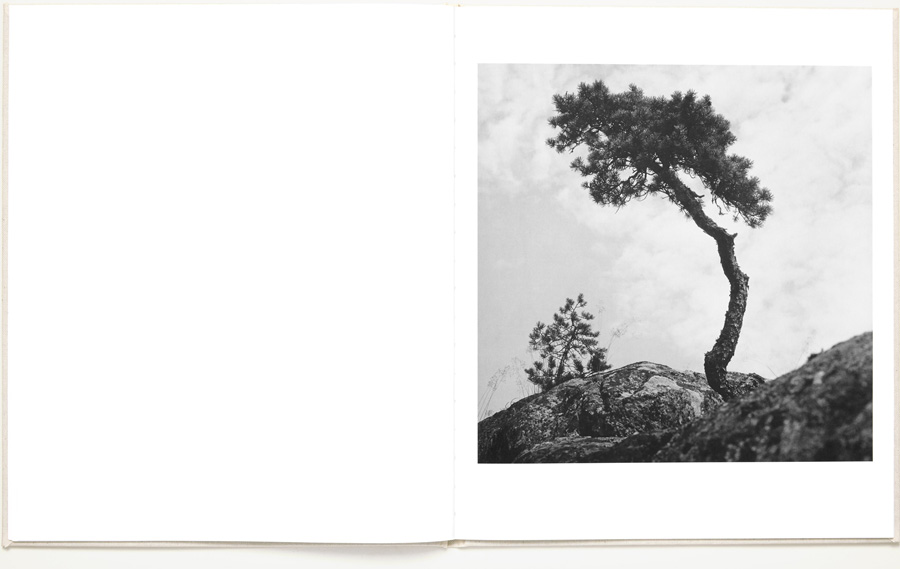
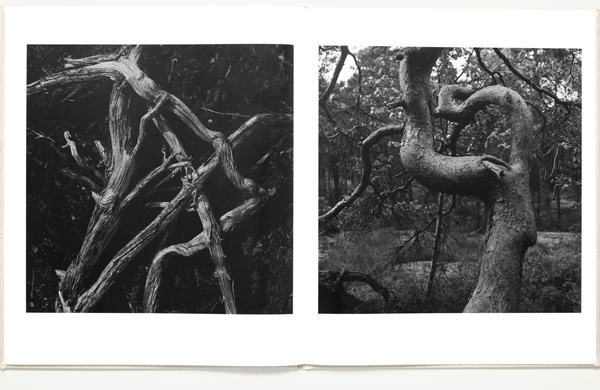
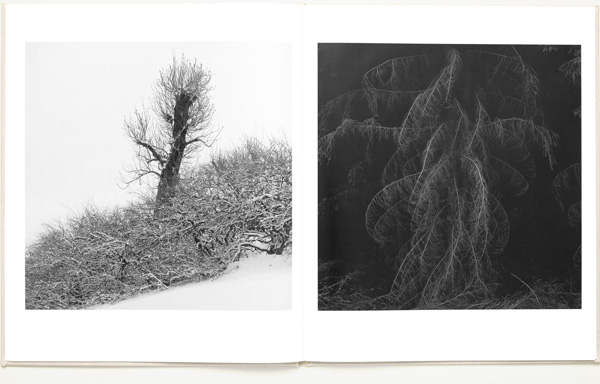
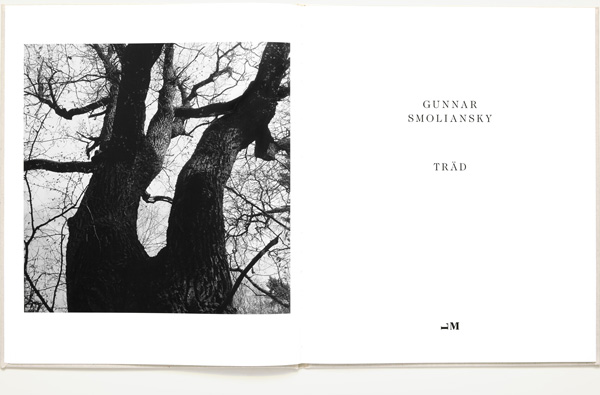
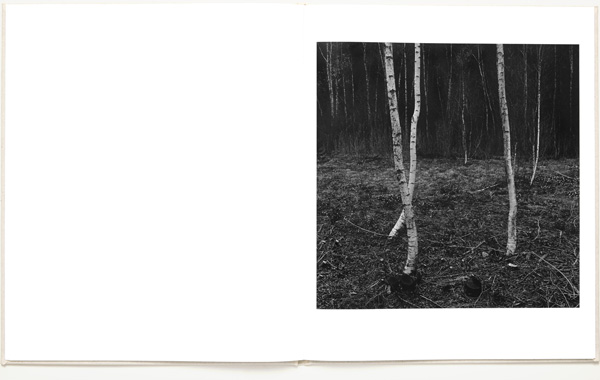
Fotografier av träd. Raka träd, krokiga träd, kaxiga träd, ödmjuka träd. Ensamma eller i grupp. Men alla har de ett eget uttryck.
Fotografier av en typ av vegetation som en gång kan ha varit både storslagen och värdig. Men det som nu återstår är både förvridet och trotsigt. Det är inte romantiska bilder av en jungfruelig skog. Nej, i stället är det platser som har glömts bort, före eller efter sin lönsamhet. Hinder, smäktande land, vindfallna trädstammar eller stammar som bara är upprätta stolpar som hotar att falla, stammar som har vuxit in i varandra.
I dessa bilder är vi långt ifrån de perfekta exemplaren från våra läroböcker med latinska namn i den linneanska andan. De är främst träd som förblir stående av ren kraft och viljestyrka. Vindpinade med knutar och förvridningar som en eftersatt reumatism. Och ändå: mitt i denna ensamhet, mitt i denna kamp, finns det en känsla av gemenskap.
---
“Gunnar Smoliansky’s (b. 1933, Swedish) studies of trees are social journalism in photographic form, although not from the human world in spite of their occasional traces of humanity. No, people appear to have left the scene.
Smoliansky’s depictions of trees are a forestry ranger’s nightmare and at the same time far too vulnerable to please the zealous conservationist. These photographs are about a type of vegetation that may once have been both magnificent and dignified – what remains of growth is both frustrated and defiant. They are not romantic pictures of virgin woods. No, instead they are places that have been consigned to oblivion, pre- or post-profitability. Impediments. Languishing land. Windfallen tree trunks or soon to be windfallen trunks that are nothing but upright poles, trunks that have grown into each other.
In these photos we are far from observing from perfect specimens, textbooks and the pleasure of inventing Latin names in the Linnaean spirit. They are mainly trees that remain standing by sheer dint of willpower, knots and twists. Like a neglected case of rheumatism. And yet: in the midst of this solitude, in the midst of this struggle, so difficult to grasp, there is a sense of community among the susceptible.”
Fotografier av en typ av vegetation som en gång kan ha varit både storslagen och värdig. Men det som nu återstår är både förvridet och trotsigt. Det är inte romantiska bilder av en jungfruelig skog. Nej, i stället är det platser som har glömts bort, före eller efter sin lönsamhet. Hinder, smäktande land, vindfallna trädstammar eller stammar som bara är upprätta stolpar som hotar att falla, stammar som har vuxit in i varandra.
I dessa bilder är vi långt ifrån de perfekta exemplaren från våra läroböcker med latinska namn i den linneanska andan. De är främst träd som förblir stående av ren kraft och viljestyrka. Vindpinade med knutar och förvridningar som en eftersatt reumatism. Och ändå: mitt i denna ensamhet, mitt i denna kamp, finns det en känsla av gemenskap.
---
“Gunnar Smoliansky’s (b. 1933, Swedish) studies of trees are social journalism in photographic form, although not from the human world in spite of their occasional traces of humanity. No, people appear to have left the scene.
Smoliansky’s depictions of trees are a forestry ranger’s nightmare and at the same time far too vulnerable to please the zealous conservationist. These photographs are about a type of vegetation that may once have been both magnificent and dignified – what remains of growth is both frustrated and defiant. They are not romantic pictures of virgin woods. No, instead they are places that have been consigned to oblivion, pre- or post-profitability. Impediments. Languishing land. Windfallen tree trunks or soon to be windfallen trunks that are nothing but upright poles, trunks that have grown into each other.
In these photos we are far from observing from perfect specimens, textbooks and the pleasure of inventing Latin names in the Linnaean spirit. They are mainly trees that remain standing by sheer dint of willpower, knots and twists. Like a neglected case of rheumatism. And yet: in the midst of this solitude, in the midst of this struggle, so difficult to grasp, there is a sense of community among the susceptible.”